
Table of Contents
ToggleWhat Is Effective Communication?
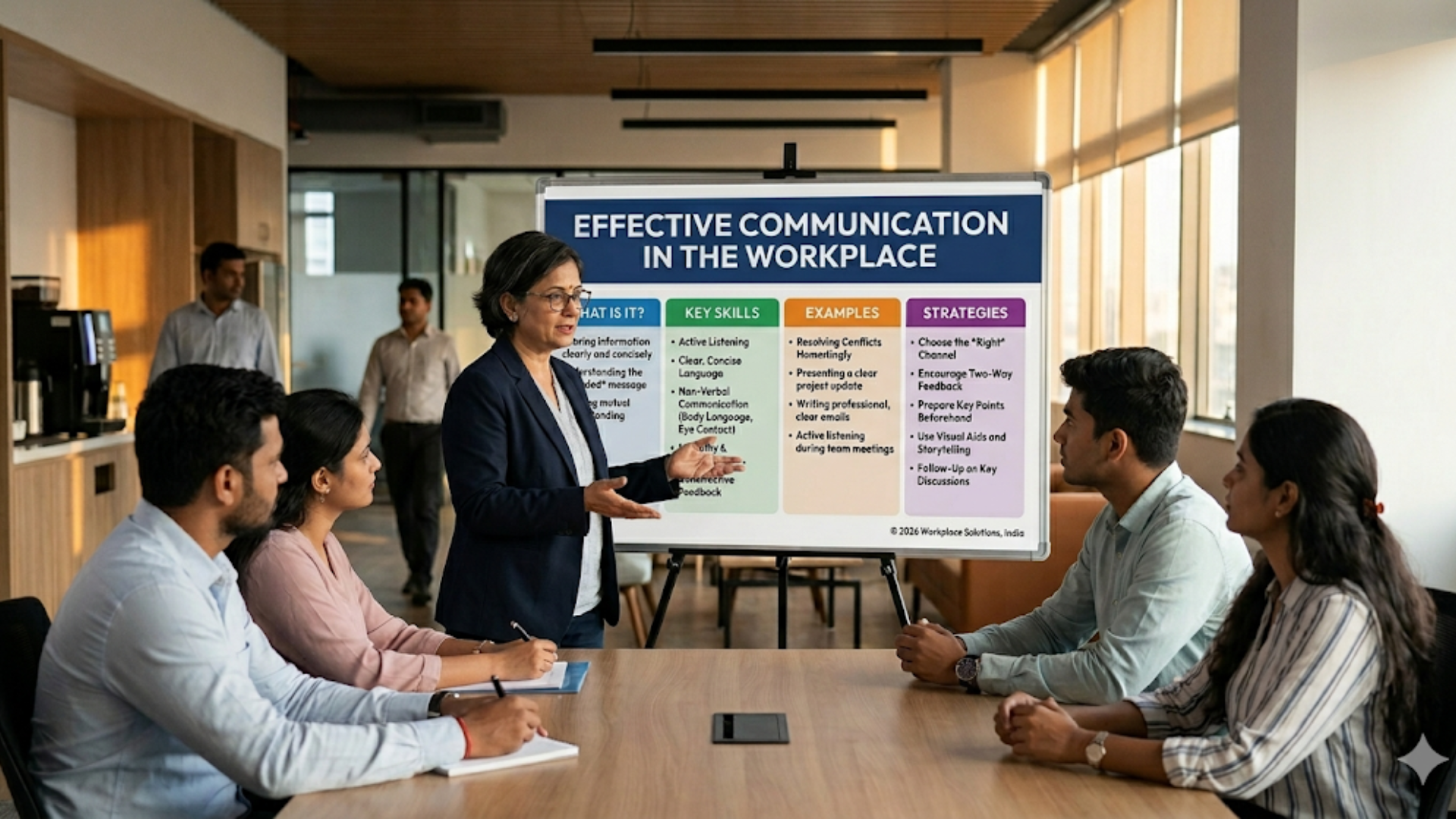
Effective communication is the ability to clearly express ideas, actively listen, understand context, adapt messages to the audience, and ensure mutual understanding between the sender and receiver. It combines clarity, empathy, confidence, and structured messaging to reduce confusion and improve collaboration in professional and personal environments.
In today’s digital workplace, effective communication is considered one of the most valuable soft skills employers expect across industries. Whether you are working in corporate roles, education, marketing, leadership, or entrepreneurship, strong communication abilities directly influence productivity and career growth.
Why Effective Communication Matters in the Workplace
Organizations worldwide recognize effective communication as a core success driver because poor communication leads to delays, misunderstandings, and reduced performance.
Research shows companies can lose millions annually due to miscommunication, while organizations led by strong communicators demonstrate significantly higher productivity and employee engagement. This makes effective communication not just a soft skill—but a strategic professional advantage.
Communication skills in the workplace help professionals:
- Align teams around shared goals
- Improve collaboration efficiency
- Reduce workplace conflict
- Increase leadership credibility
- Strengthen professional relationships
Professionals who develop effective communication consistently outperform peers in team-driven environments.
The 5 C’s Framework of Effective Communication
One of the most powerful models used in workplace communication training is the 5 C’s framework. These principles help ensure messages are understood correctly and respectfully.
For students entering skill-based careers, learning how to apply these communication principles during practical training sessions helps build confidence even before their first professional role begins.
Strong effective communication follows these five rules:
Clear
Messages should be easy to understand without unnecessary complexity.
Correct
Information must be accurate and reliable.
Complete
Provide enough detail so the listener understands expectations.
Concise
Avoid long explanations when shorter ones work better.
Compassionate
Respect tone and emotional context when communicating.
Using this framework strengthens professional communication skills across teams and organizations.
Types of Effective Communication Skills Professionals Must Develop
Modern workplaces require multiple communication formats. Strong effective communication includes mastering several styles.
Verbal Communication
Speaking confidently during meetings and presentations improves collaboration and leadership visibility.
Non‑Verbal Communication
According to communication research by Albert Mehrabian, communication impact is influenced heavily by tone and body language. Open posture, eye contact, and attentive listening improve message clarity.
Written Communication
Emails, reports, and chat platforms require structured messaging to maintain professionalism.
Listening Communication
Active listening is one of the most underrated components of effective communication in team environments.
Together, these skills help professionals build better communication skills that support career growth.
Practical Strategies to Improve Communication Skills at Work
Many professionals actively search for ways to improve communication skills at work because workplace success depends heavily on collaboration clarity.
Here are proven strategies that improve your communication skills quickly:
1. Practice Active Listening
Focus completely on the speaker before preparing your response. This strengthens effective communication immediately.
2. Structure Messages Before Speaking
Organizing thoughts improves clarity and confidence.
3. Adapt Language for Different Audiences
Managers, clients, and colleagues require different communication styles.
4. Maintain Positive Body Language
Posture and eye contact reinforce trust.
5. Ask Clarifying Questions
Questions prevent misunderstandings and improve workplace communication efficiency.
Applying these habits consistently helps professionals improve communication skills in the workplace faster.
Effective Business Communication for Career Growth
Professionals aiming for promotions must develop effective business communication that supports leadership visibility and teamwork alignment.
Effective business communication includes:
- structured email writing
- confident presentations
- meeting participation
- negotiation clarity
- client interaction skills
Leaders who demonstrate effective communication influence team motivation, performance alignment, and decision‑making quality.
Effective Communication vs Poor Communication
| Effective Communication | Poor Communication |
| Clear instructions | Confusing directions |
| Active listening | Interrupting others |
| Respectful tone | Aggressive tone |
| Structured messaging | Unorganized thoughts |
| Audience awareness | One‑way communication |
Understanding this difference helps professionals build better communication skills faster.
Workplace Communication Training and Why It Matters
Organizations increasingly invest in workplace communication training because structured learning improves employee collaboration outcomes.
Training programs typically focus on:
- presentation confidence
- structured messaging
- listening improvement
- conflict resolution
- leadership communication
Professionals who participate in workplace communication training often demonstrate stronger professional communication skills within weeks.
This makes effective communication a learnable and scalable career advantage.
Effective Communication Strategies Used by High‑Performing Professionals
High‑impact professionals rely on repeatable effective communication strategies to improve collaboration quality.
These include:
Strategy 1: Know Your Audience First
Audience awareness strengthens message relevance.
Strategy 2: Choose the Right Communication Channel
Some conversations require meetings, while others work better through email.
Strategy 3: Keep Messages Structured
Structured messaging improves understanding speed.
Strategy 4: Monitor Tone Carefully
Tone strongly influences message interpretation.
Strategy 5: Provide Constructive Feedback
Specific feedback improves teamwork alignment.
Applying these techniques consistently strengthens effective communication across workplace scenarios.
How to Improve Your Communication Skills Faster (Action Plan)
If your goal is to improve your communication skills quickly, follow these steps consistently:
- read professional content daily
- observe strong communicators during meetings
- practice structured speaking
- record presentations for self‑review
- request feedback from colleagues
Consistency transforms average communication into effective communication over time.
Signs of Good Communication Skills in the Workplace
Professionals with good communication skills typically demonstrate these behaviors:
- colleagues understand instructions easily
- meetings become more productive
- team trust improves
- conflicts reduce quickly
- managers rely on their input
These indicators reflect strong communication skills in the workplace environments.
Common Mistakes That Prevent Effective Communication
Even experienced professionals sometimes weaken effective communication unintentionally.
Avoid these mistakes:
Interrupting Conversations
Interruptions reduce collaboration quality.
Using Complex Language
Simplicity improves clarity.
Ignoring Body Language
Non‑verbal signals strongly influence perception.
Avoiding Difficult Conversations
Early communication prevents workplace escalation.
Correcting these mistakes helps professionals improve communication skills consistently.
Benefits of Developing Better Communication Skills for Career Success
Professionals who build better communication skills experience measurable advantages:
- stronger leadership visibility
- faster promotion opportunities
- improved teamwork trust
- better client relationships
- higher workplace confidence
Because effective communication connects people, ideas, and execution clarity, it remains one of the most valuable long‑term professional skills.
FAQs
It improves productivity, reduces misunderstandings, strengthens teamwork, and supports leadership growth.
Yes. With structured practice and workplace communication training, noticeable improvement often appears within weeks.
They include listening ability, structured messaging, presentation clarity, empathy, and audience awareness.
Practice active listening, structure responses before speaking, observe strong communicators, and request feedback regularly.
Conclusion
Developing effective communication is one of the smartest career investments professionals can make today. Whether your goal is to improve communication skills at work, strengthen leadership presence, or build stronger relationships, structured practice produces measurable results.
As workplaces increasingly value collaboration and teamwork, professionals who develop strong communication skills stand out as confident presenters and reliable contributors. This is why communication skill development is an essential part of career-focused training programs like those offered at Tech Mahindra Smart Academy, where learners are prepared with practical workplace-ready skills.