Table of Contents
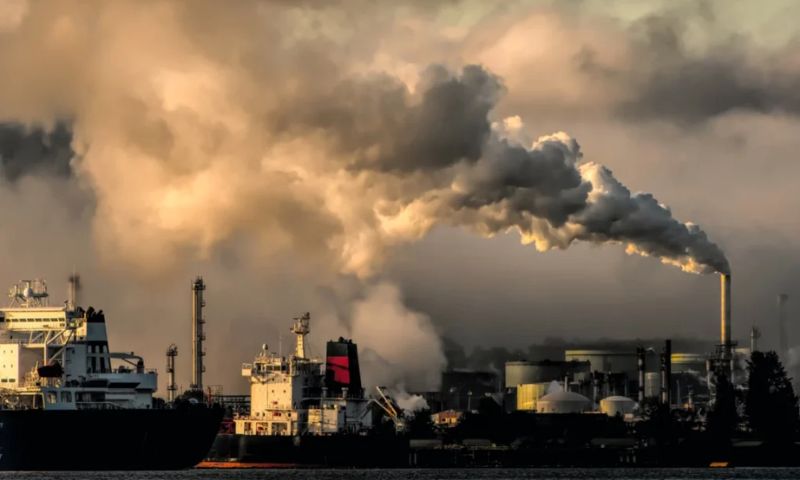
ToggleEvery day, we take around 20,000 breaths and most of the time, we don’t even think about it. Breathing feels effortless, natural, and safe. But what if the very air we depend on is silently becoming a threat?
That was the powerful message at the heart of a recent webinar hosted by Tech Mahindra SMART Academy for Healthcare: “Air Pollution: The Hidden Threat to Health and Our Future.”
Led by Mr. Farhad Ali, Deputy Regional Director (Asia Pacific) at Vital Strategies, the session brought together students, healthcare professionals, and community members to understand something that affects us all yet remains largely invisible.
Air Pollution: The Crisis We Don’t See, but Always Feel
The session began with a reality that left everyone quiet for a moment:
Air pollution kills more people every year than COVID-19 ever did.
That isn’t an exaggeration—it’s a global truth. Air pollution is now responsible for 1 in every 9 deaths worldwide, and shockingly, many of these deaths are preventable.
As Mr. Ali explained, “Air pollution is a silent killer—colourless, odourless, and consistent.”
We often blame lifestyle, stress, or genetics for disease, but polluted air slips into our lungs without warning, into our bloodstream without permission, and into every organ without mercy.
Climate Change & Pollution: A Relationship We Can’t Ignore
One of the most eye-opening parts of the discussion was the connection between climate change and air pollution. Though we hear both terms frequently, many of us don’t realize how tightly they are linked.
Here’s the simple truth:
- Higher temperatures → more ozone
- More wildfires → more smoke and PM2.5
- Changing seasons → more pollen
- Droughts → more dust in the air
In short: As the planet heats up, the air becomes more dangerous to breathe.
Mr. Ali shared how cities around the world—from Delhi to California—now experience “air-quality crises” every year, especially during heatwaves. And each crisis brings with it a spike in asthma attacks, heart emergencies, and hospital visits.
The Human Cost: Not Just Numbers, but Lives
The data shared during the webinar hit hard:
- 40% of COPD deaths are linked to air pollution
- 30% of deaths in newborn babies (under 28 days) can be attributed to poor air quality
- Heart disease, stroke, diabetes, cancer—all worsened by toxic air
- The average human life expectancy drops by 1 year and 8 months because of air quality
Numbers are easy to forget, but the stories behind them are not.
Every number represents a family without a member, a child that didn’t get a chance, or a patient struggling with a condition that didn’t have to worsen.
And what makes it heartbreaking is this: These deaths did not have to happen.
So, What Can We Do? Quite a Lot
The webinar didn’t end in despair—it ended with hope.
Mr. Ali highlighted solutions that have worked across the world and can work for us too.
What governments and cities can do:
- Enforce clean air laws
- Move towards renewable energy
- Regulate factory and vehicle emissions
- Provide alternatives to crop burning
- Develop smart public transport systems
- Create low-emission zones
Countries like the USA and China have already seen major improvements through strong policies. Cities like London, Bogotá, and New York have shown that local action can transform public health.
What we can do at home:
- Use HEPA air purifiers if possible
- Wear N95/KN95 masks on high-pollution days
- Switch to cleaner cooking fuels
- Follow air-quality warnings
- Avoid outdoor exercise when the AQI is poor.
Personal action can’t solve the crisis alone—but it can protect our families and us while bigger solutions take shape.
Healthcare Professionals: The Heart of the Solution
One of Mr. Ali’s strongest messages was about the role of healthcare workers.
“You are the most trusted voice,” he reminded the audience.
Doctors, nurses, technicians, and allied health staff have a unique opportunity to:
- Educate patients
- Advocate for clean air
- Support vulnerable communities
- Lead research
- Promote sustainable hospital practices
When healthcare professionals speak, policymakers listen, and communities act.
A Breath of Hope
Air pollution may be one of the biggest threats of our time, but it is also one of the most solvable.
This webinar was not just a lecture—it was a call to awareness and action. It reminded us that clean air is not a luxury. It is a fundamental human right. And protecting that right begins with understanding the problem, talking about it, and making choices—big and small—that prioritize health.
Tech Mahindra SMART Academy for Healthcare, through initiatives like this, continues to bring forward conversations that matter. Conversations that influence policy, shape future healthcare workers, and empower communities.
Because at the end of the day, we all breathe the same air—and our future depends on how we protect it.